Recovery & Repair
Compounds studied for tissue recovery, resilience, structural healing, mobility support, and post-strain repair pathways in research models.
BPC-157TB-500Glow StackKLOW

ANUE LYFE presents a simple reference experience for current compounds and stacks, with concise summaries of what each product is studied for in research settings.
Peptides are short amino-acid chains that act as signaling molecules. In research, they are used to explore pathways tied to recovery, hormone release, metabolism, mitochondrial function, pigmentation, and broader cellular communication.
What they “do” depends on the compound: some are investigated for tissue repair or growth hormone signaling, while others are studied for energy metabolism, skin health, cognitive support, or cosmetic pathways. Their value comes from targeted biological interactions that can be examined in controlled laboratory settings.
Compounds studied for tissue recovery, resilience, structural healing, mobility support, and post-strain repair pathways in research models.
Secretagogues and releasing peptides investigated for growth hormone signaling, recovery, sleep, and body-composition research pathways.
Compounds explored for cellular energy, mitochondrial function, metabolic performance, body composition, and systemic wellness signaling.
Peptides researched for focus, memory, emotional balance, cognitive function, stress resilience, and broader neuro-support pathways.
Peptides and blends examined for pigmentation pathways, skin health, rejuvenation, and cosmetic research interest.
Multi-compound stacks grouped for broader research into repair, mobility, skin health, and integrated signaling effects.
The catalog now includes the full product batch you’ve sent so far, with the real ANUE LYFE logo carried through the brand presentation.
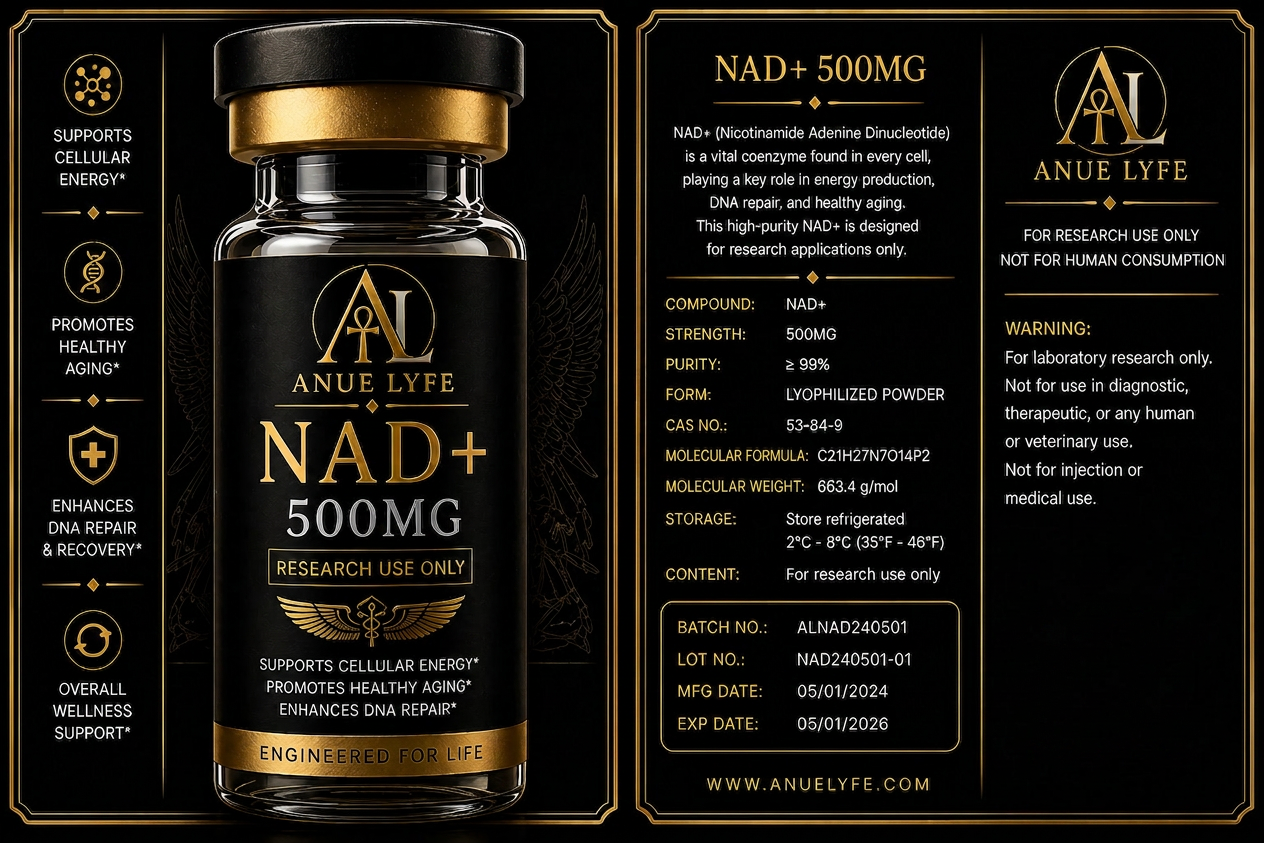
Nicotinamide Adenine Dinucleotide
Studied for its role in cellular energy production, redox balance, mitochondrial support, and DNA repair pathways.
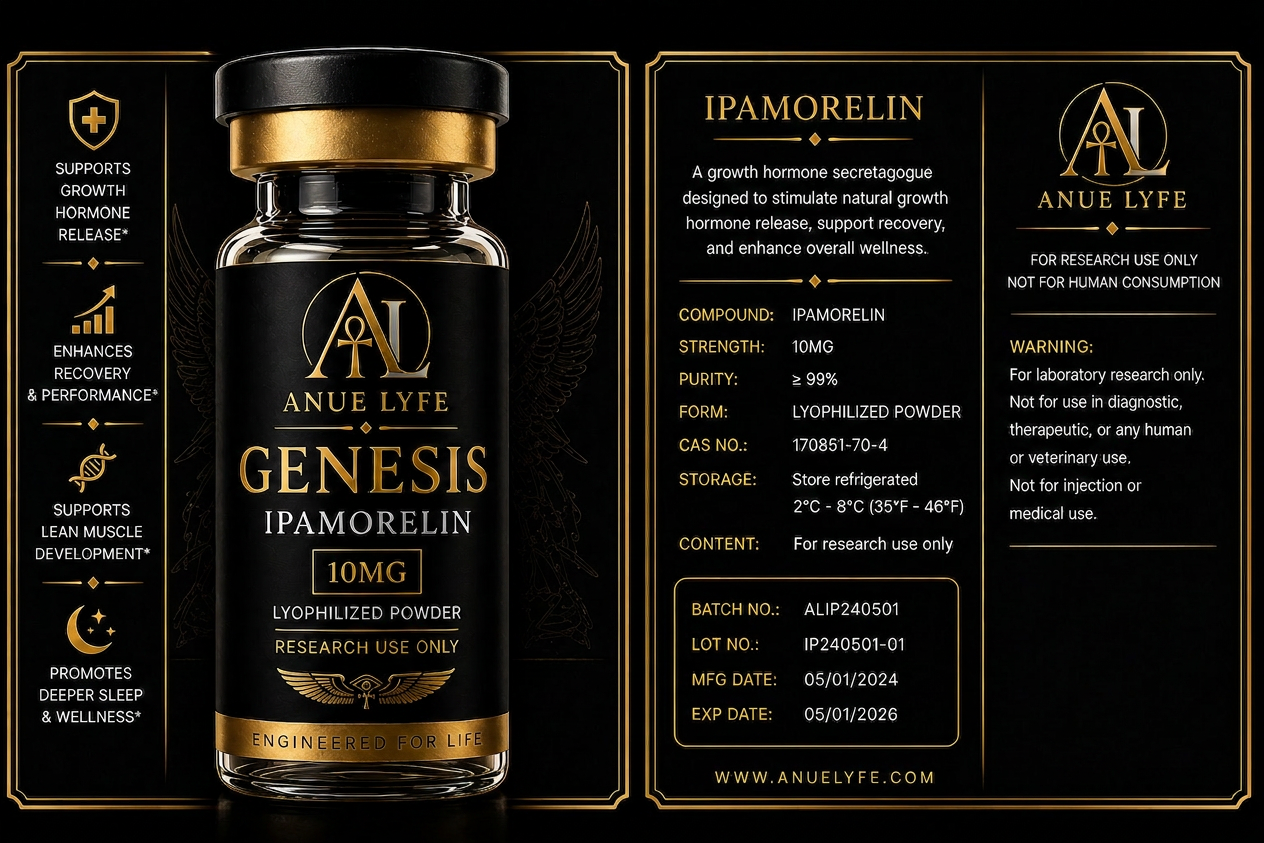
Growth hormone secretagogue
Investigated for selective growth hormone release signaling, recovery support, sleep-related research, and lean mass studies.
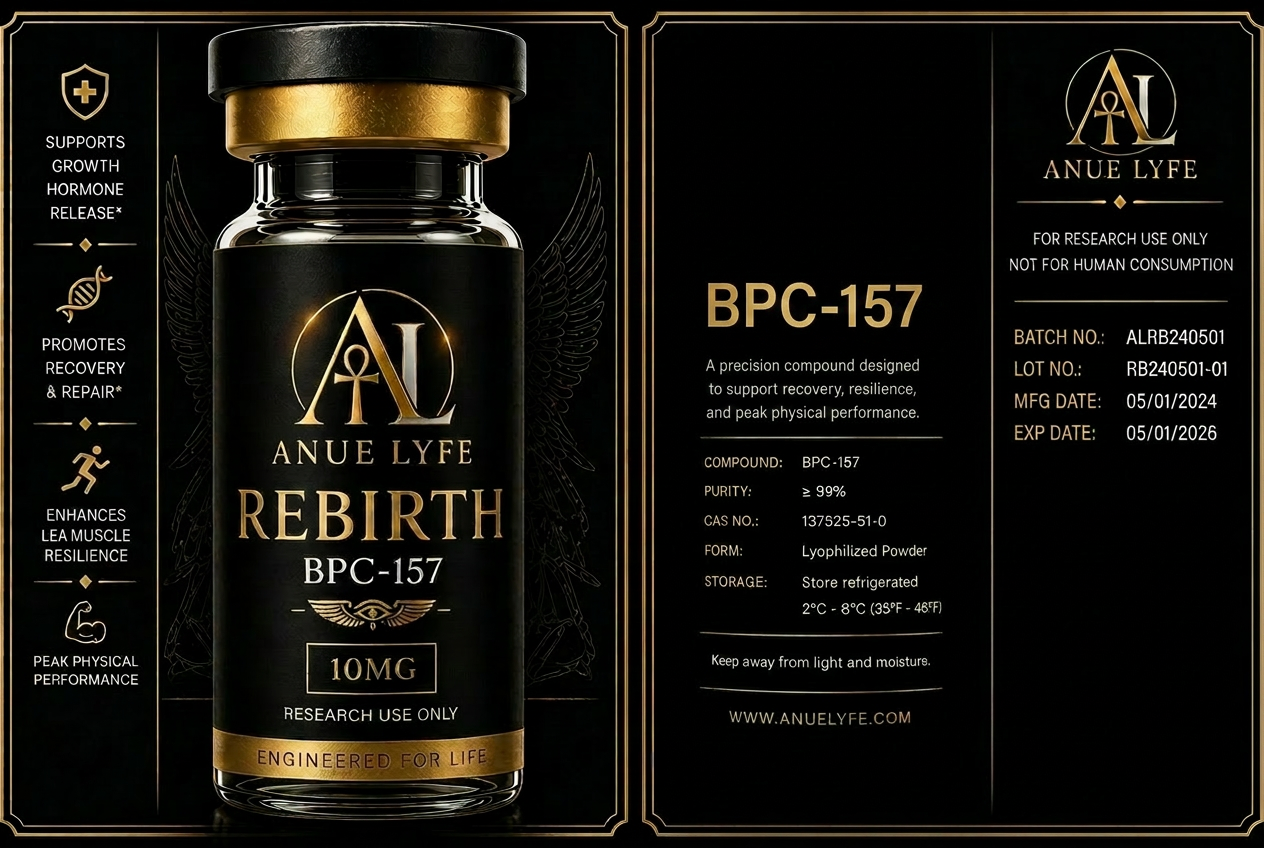
Recovery-focused peptide
Commonly researched for tissue repair, recovery resilience, and response to strain in connective and soft-tissue models.
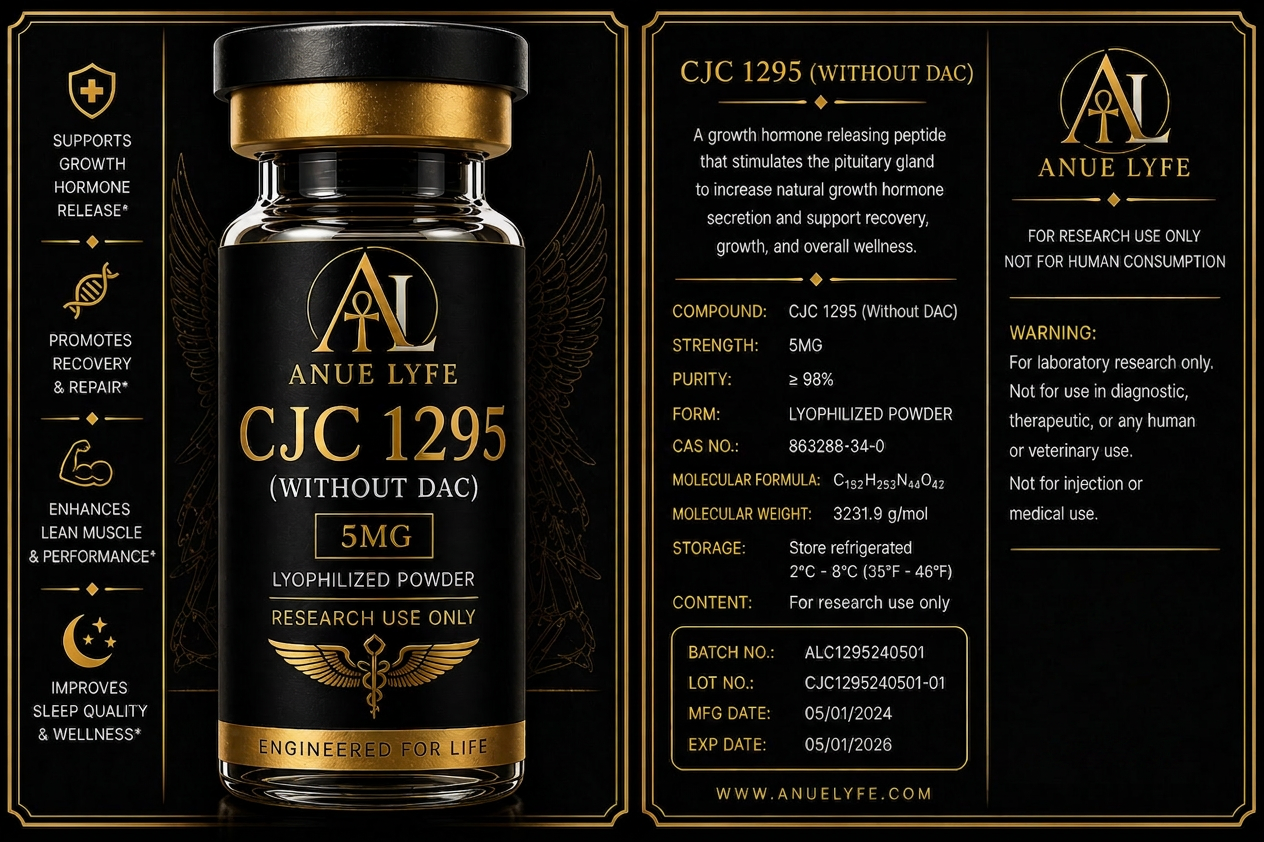
GHRH analog
Explored for pulsatile growth hormone signaling, recovery research, sleep-quality studies, and lean-performance protocols.
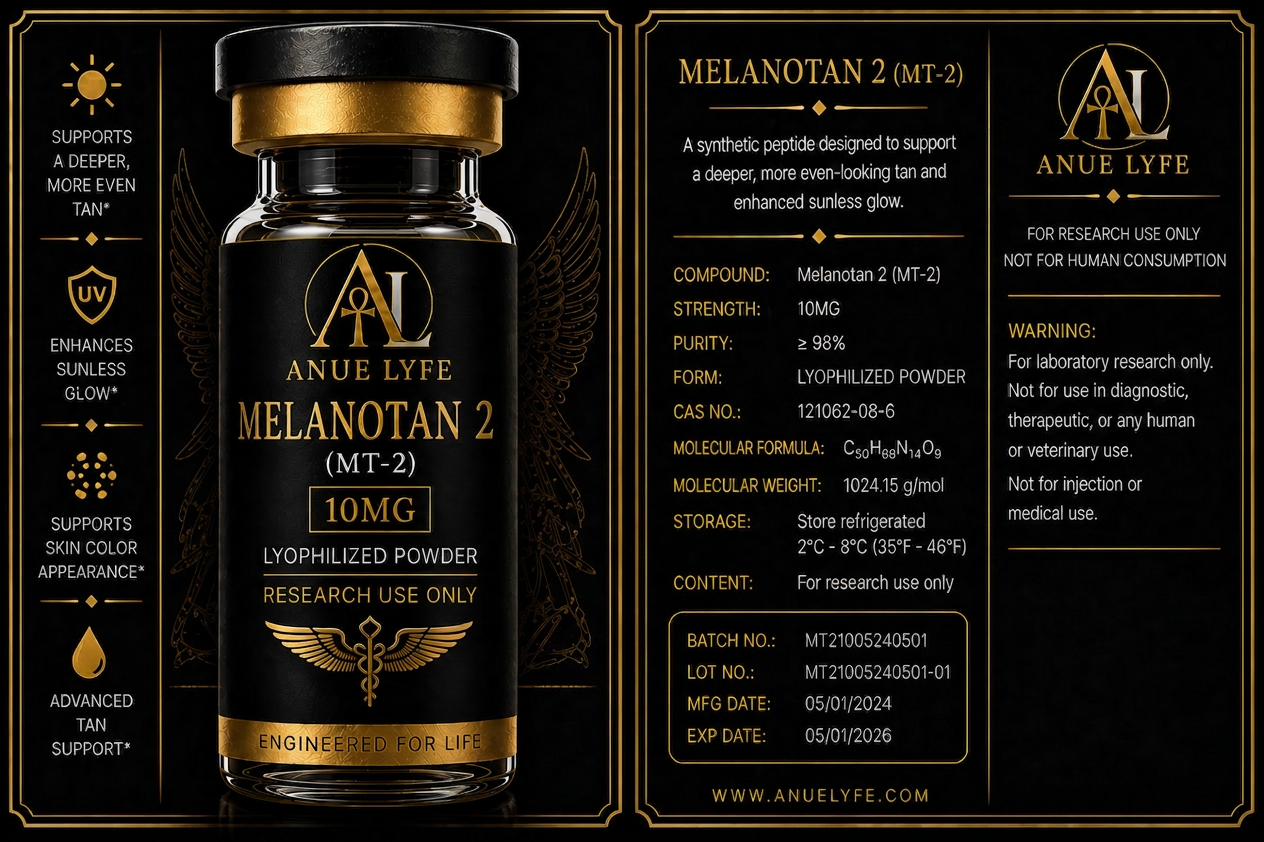
Pigmentation pathway peptide
Studied in pigmentation research for melanin response, skin-color appearance pathways, and cosmetic laboratory models.
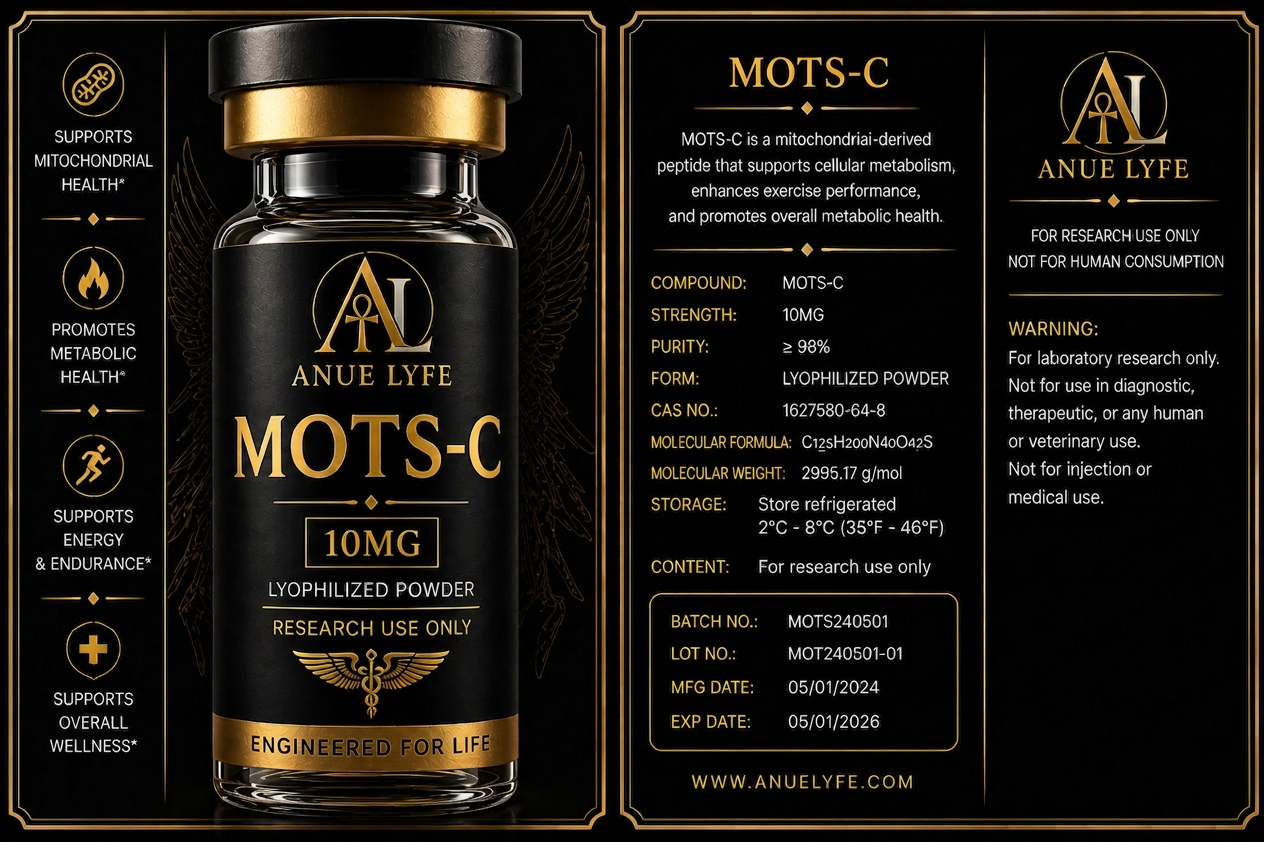
Mitochondrial-derived peptide
Investigated for mitochondrial signaling, exercise performance, metabolic function, and energy-endurance research.
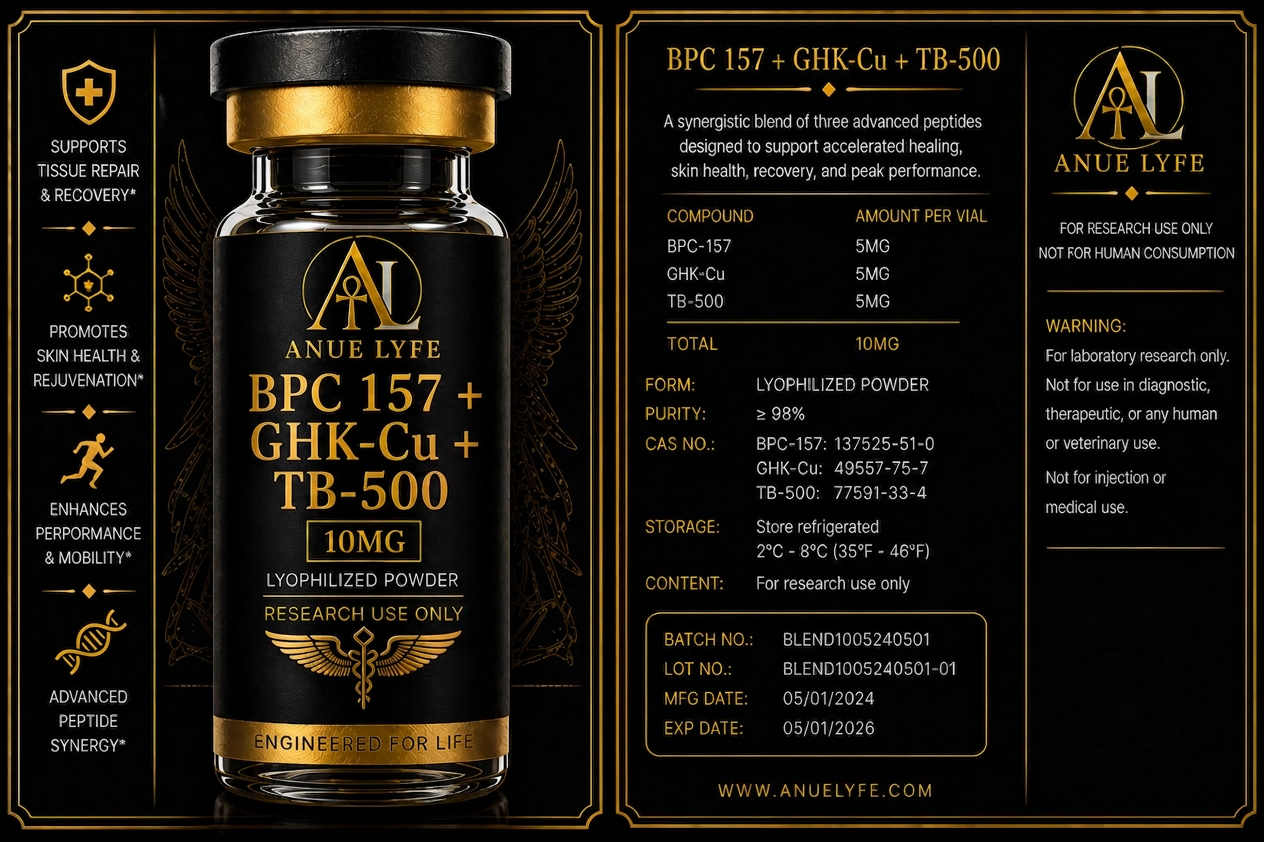
BPC-157 + GHK-Cu + TB-500
A three-compound research blend positioned around tissue recovery, skin support, mobility, and broader rejuvenation studies.
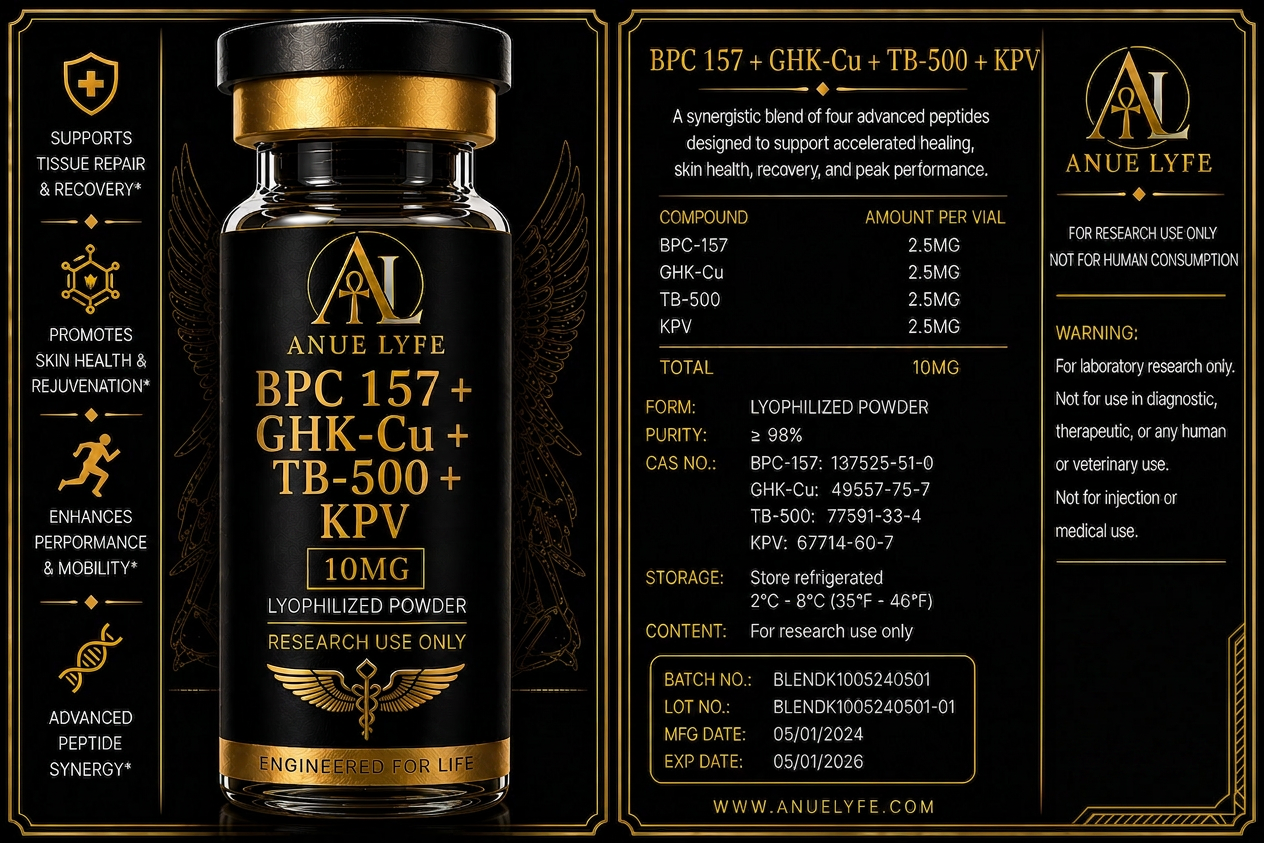
BPC-157 + GHK-Cu + TB-500 + KPV
A four-compound stack assembled for accelerated healing, skin-health pathways, resilience, and performance-oriented research.
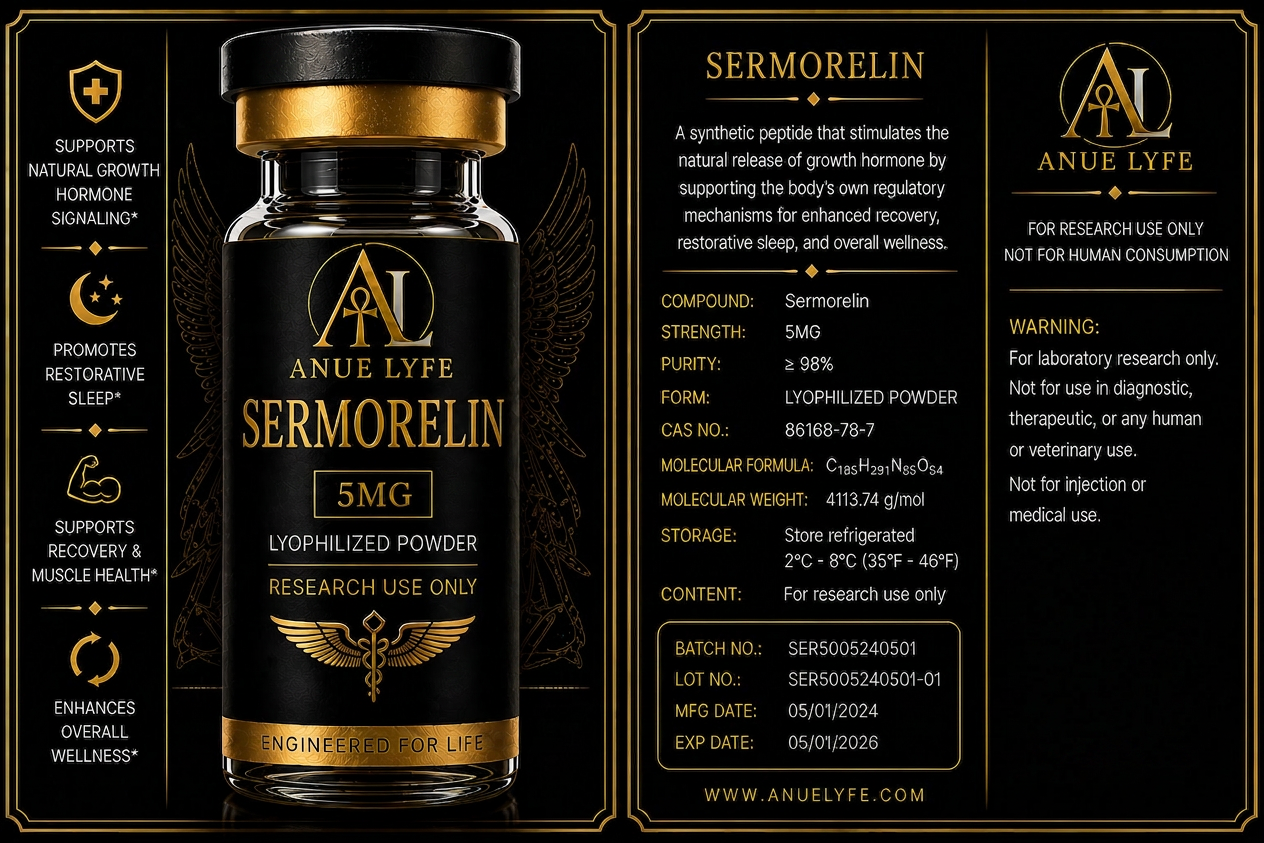
Growth hormone-releasing peptide
Presented for research into natural growth hormone signaling, recovery pathways, restorative sleep, and broader wellness-related regulation.
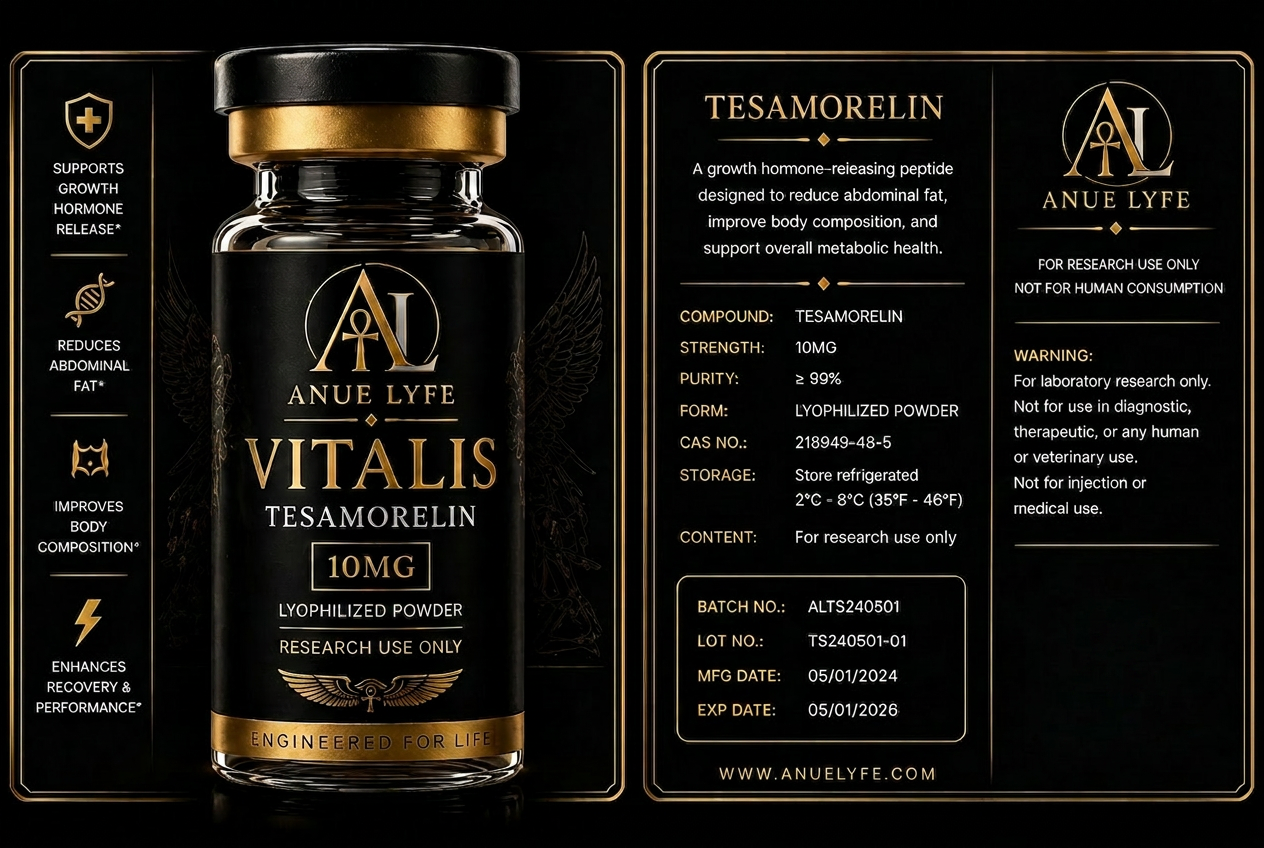
Growth hormone-releasing peptide
Positioned around research into abdominal-fat pathways, metabolic health, body composition, and performance-oriented recovery signaling.
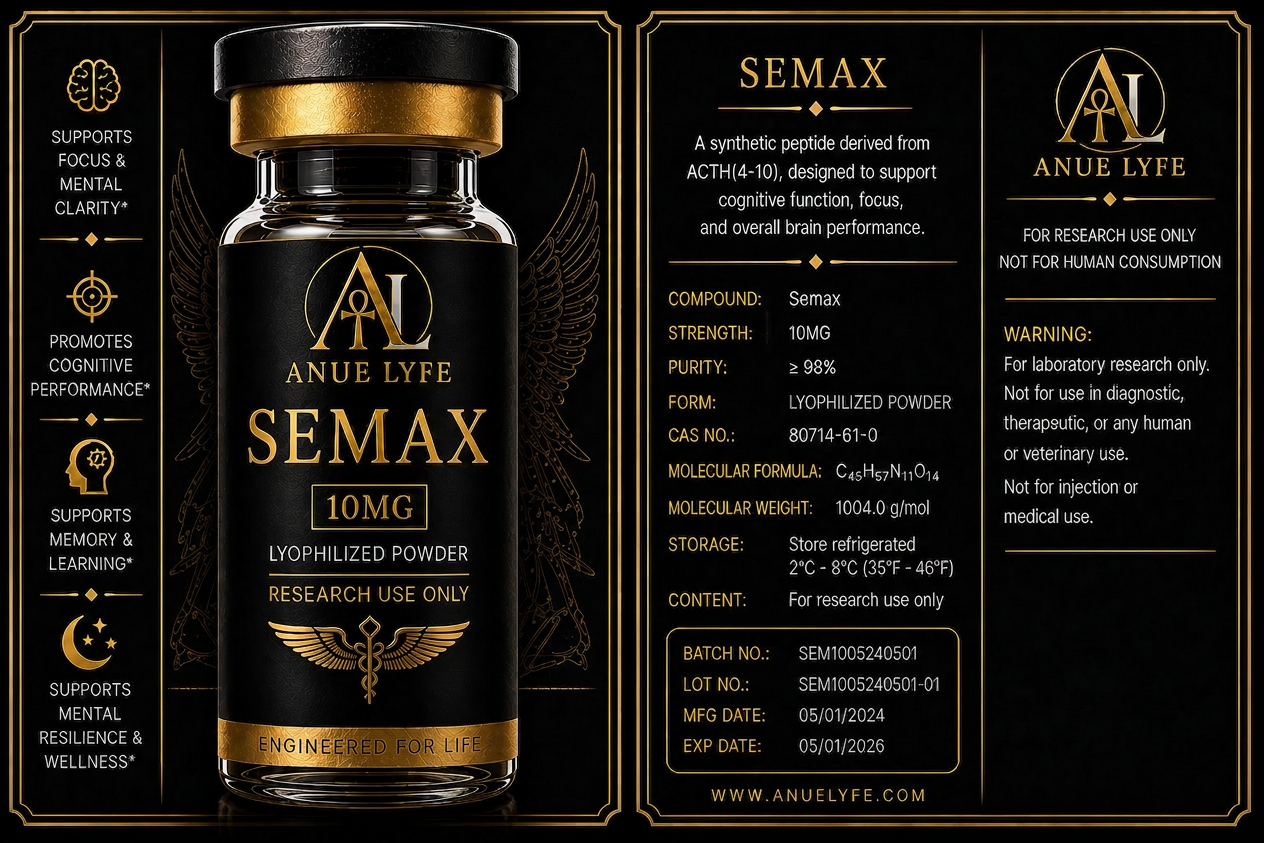
ACTH(4-10)-derived peptide
Studied for cognitive function, focus, mental clarity, memory support, and broader brain-performance pathways in research settings.
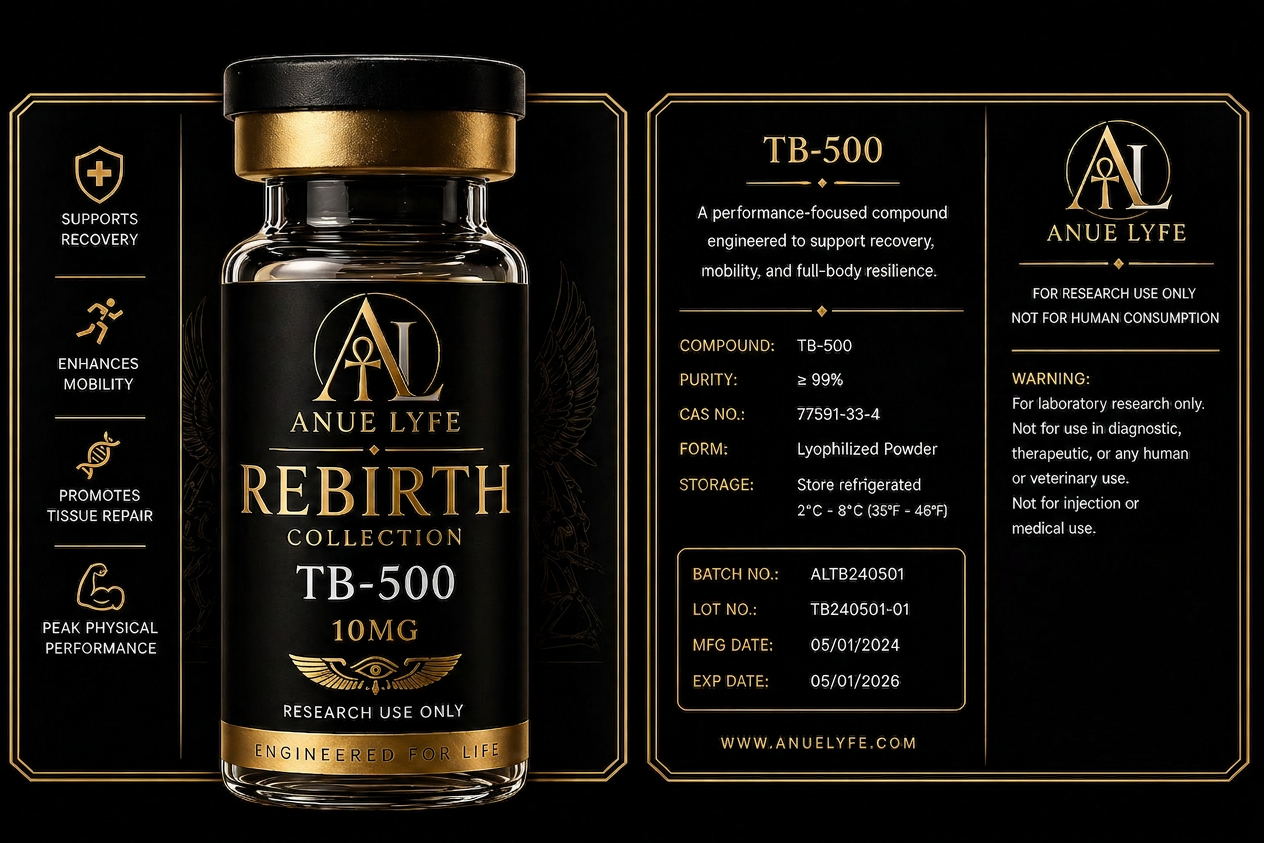
Performance-focused recovery compound
Designed around recovery, mobility, tissue-repair support, and full-body resilience in performance and restoration research models.
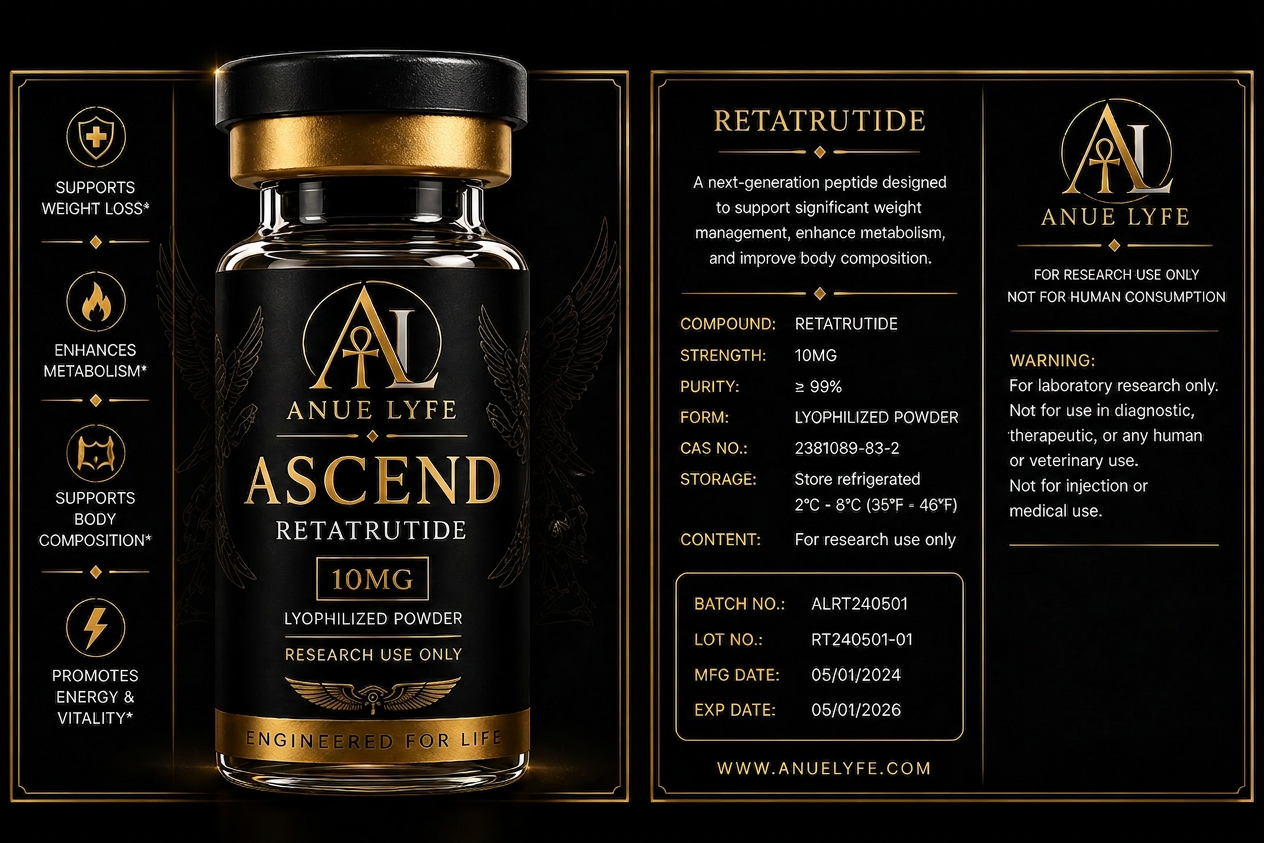
Next-generation body-composition peptide
Presented for research into significant weight-management pathways, metabolic support, energy balance, and body-composition outcomes.
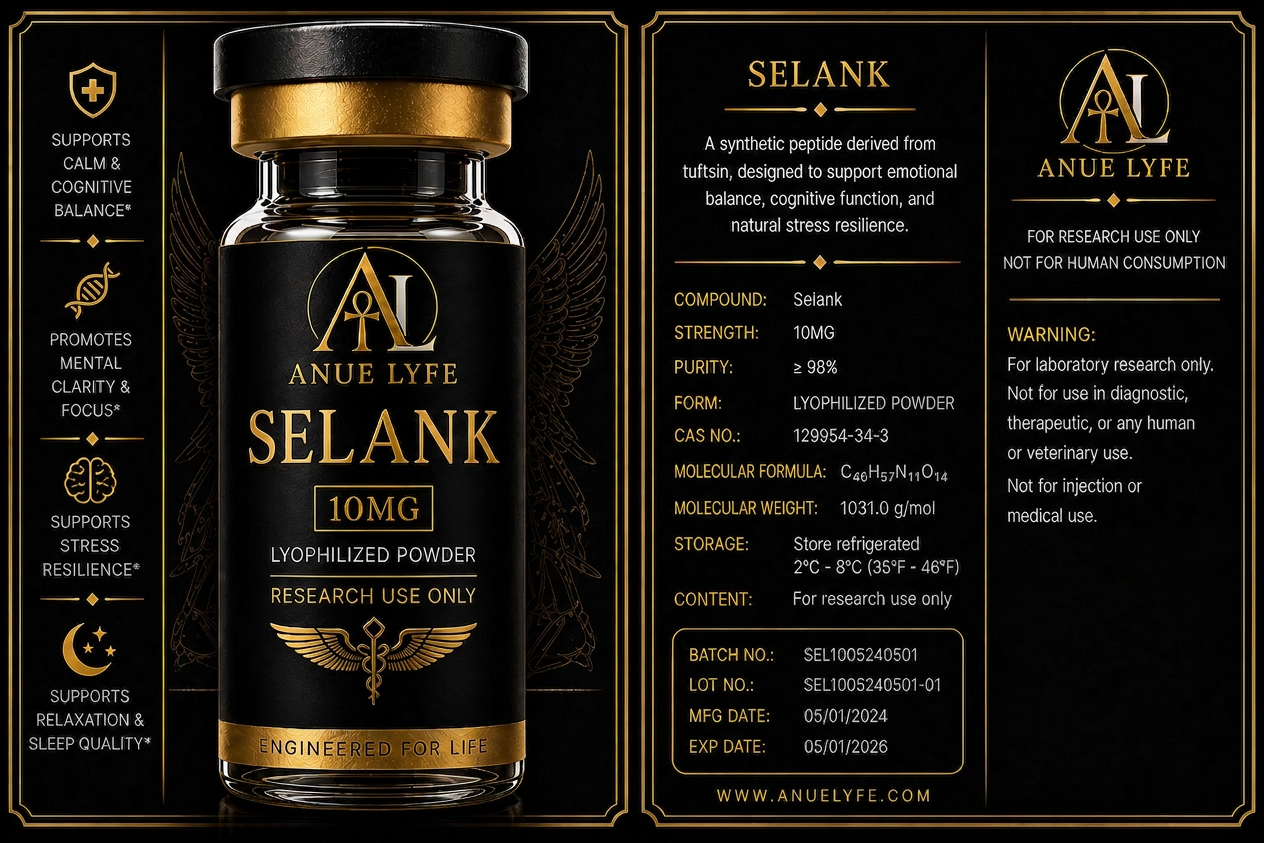
Tuftsin-derived peptide
Positioned for research into emotional balance, cognitive support, stress resilience, mental clarity, and relaxation-related pathways.